Are Hay Cubes Better Than Loose Hay?
It depends on your situation. Hay cubes and loose hay are the same forage in different forms, and each has advantages. Here's a balanced look at when cubes are the better choice and when traditional loose hay still makes sense for your operation.
When Cubes Are the Better Choice
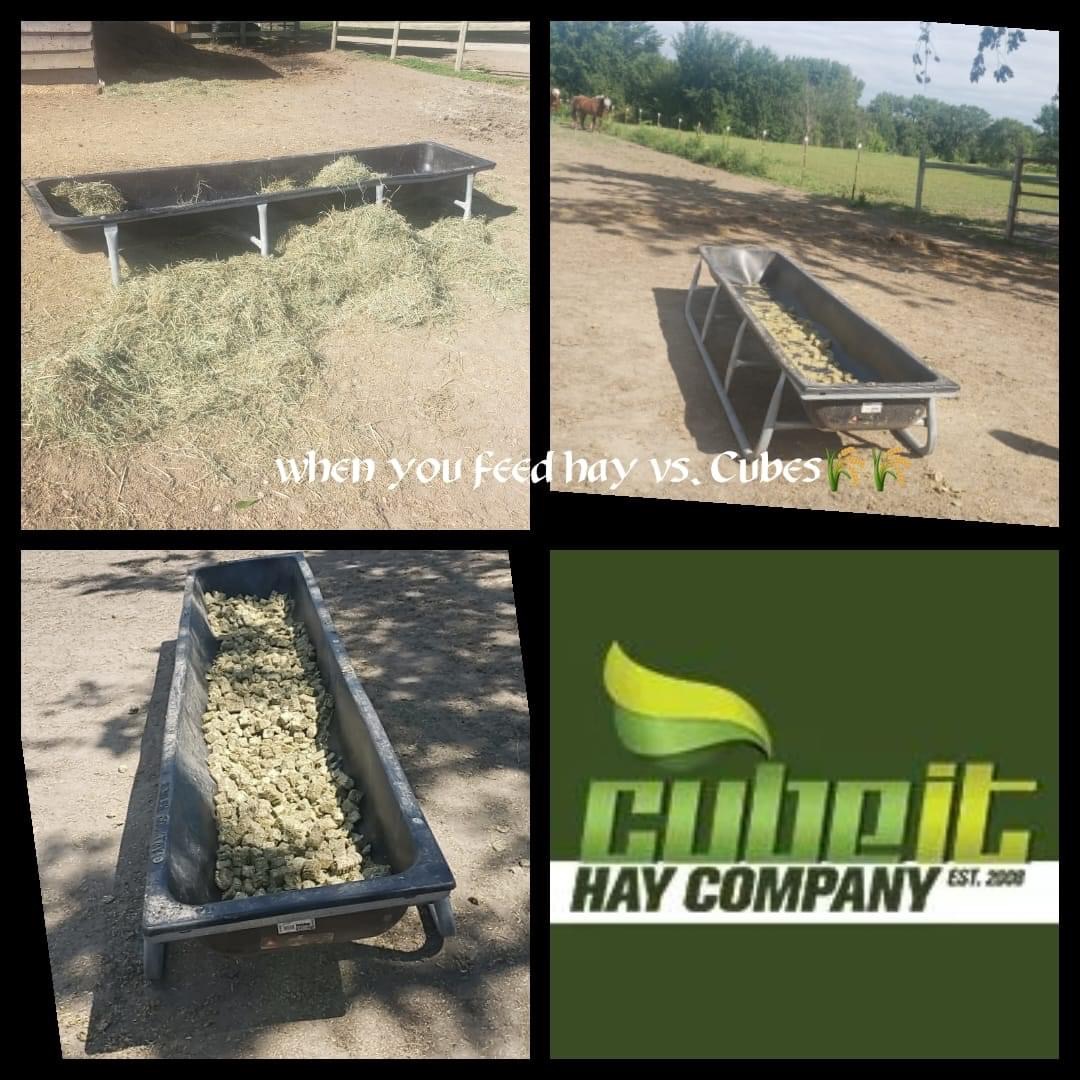
Cubes have clear advantages in several common situations. If you deal with dusty hay and dust-sensitive animals, the compression process reduces airborne particles noticeably. If you're losing significant feed to waste — trampling, soiling, wind scatter, or selective eating — cubes cut that waste substantially because animals eat them more completely. If storage space is limited, cubes pack more feed into less room. And if you're hauling feed any distance, cubes are easier to transport and handle.
Consistency and Convenience
Every cube from a batch delivers the same nutrient profile. With baled hay, quality can vary from flake to flake and bale to bale. For operations that need predictable nutrition — dairy, performance horses, commercial feedlots — this consistency simplifies ration management. Cubes also eliminate the labor of cutting twine, separating flakes, and cleaning up loose hay after feeding.
When Loose Hay Still Makes Sense
Loose baled hay has real advantages too. If you're near a reliable hay producer with consistent quality, locally sourced bales are often the most economical option. Bales provide natural long-stem fiber that encourages extended chewing time — something equine nutritionists value for gut health. Loose hay also spreads out feeding time, which can be beneficial for horses on restricted diets or those prone to boredom. Some animals simply prefer loose hay, and there's nothing wrong with sticking with what works.
The Practical Middle Ground
Many operations use both. Cubes for travel, winter feeding, or situations where waste and dust matter most. Bales when they're available, affordable, and the animals are doing well on them. There's no rule that says you have to pick one or the other. The right feed is the one that keeps your animals in good condition, fits your budget, and works with your operation's logistics.
Making the Decision
Ask yourself a few practical questions: How much hay are you wasting right now? Is dust a problem in your barn or pasture? Do you have good hay storage, or is space tight? How far are you hauling feed? If waste, dust, or storage are significant issues, cubes are worth trying. If your current hay setup is working well and your animals are thriving, there may not be a reason to change. Try a pallet of cubes alongside your regular hay and compare for yourself.
Frequently Asked Questions
Related Pages
Ready to try CubeIt Hay?
Find an authorized CubeIt Hay dealer near you, or contact us directly to discuss your needs.